
Introduction
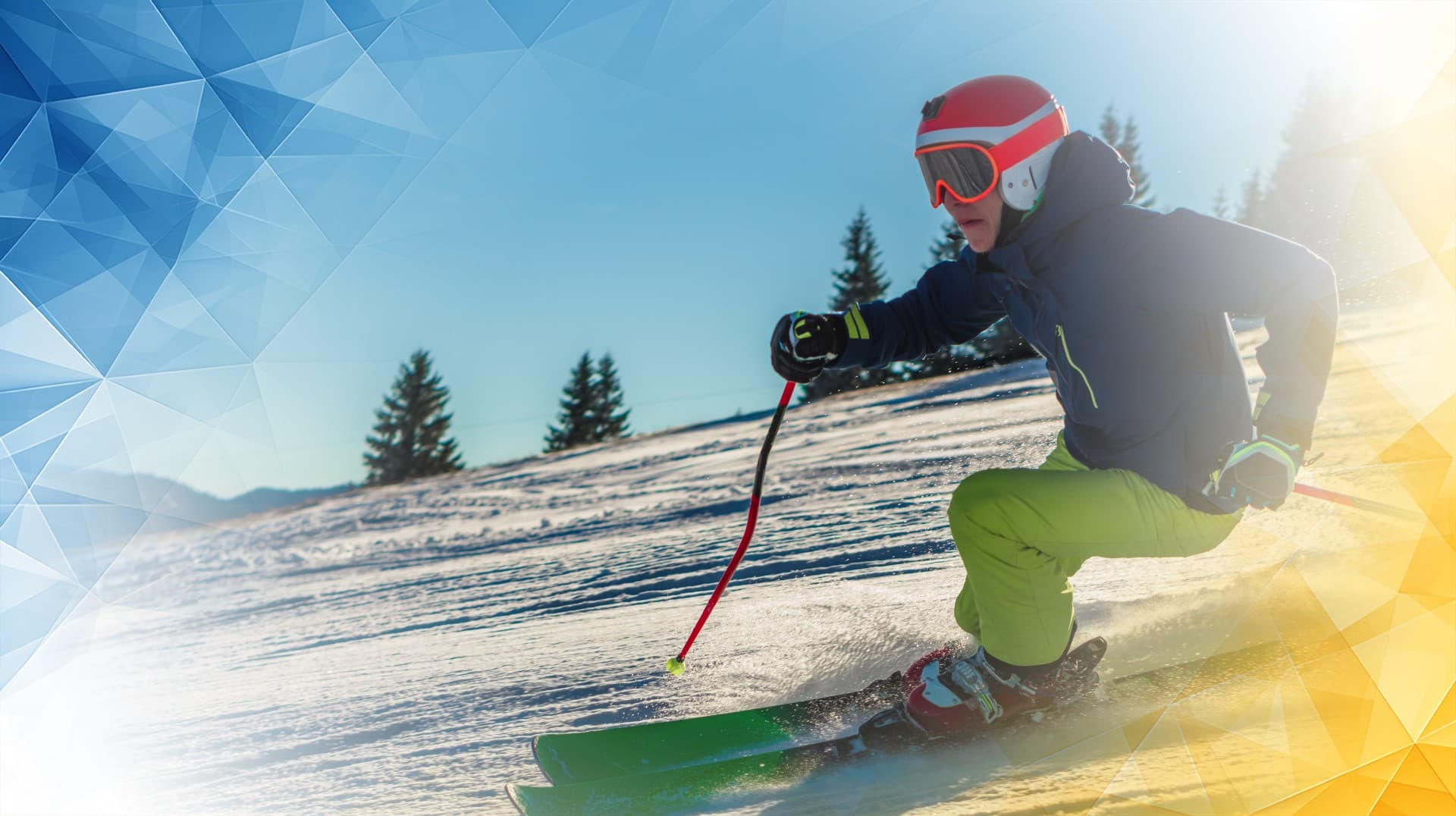
Every year, thousands of skiers – from complete beginners to seasoned experts – suffer knee injuries, with tears to the anterior cruciate ligament (ACL) and meniscus among the most common and disruptive. Such injuries can put a serious stop to your skiing season and affect your overall mobility. Even elite athletes, like Olympic skier Lindsey Vonn, have faced these challenges. Her experience reminds us how important it is to take steps to protect our knees. This article offers clear, research-backed advice on preventing ACL injury skiing and ski knee injury prevention so you can stay safe and enjoy the slopes with confidence.
Understanding Why Skiing Puts Your Knees at Risk
Your knee is a sophisticated joint, held together by ligaments and cushioned by cartilage. The ACL functions like a sturdy rope connecting your thigh to your shin, providing stability when you move. The menisci are two C-shaped pads that help absorb impact and ease movement. During skiing, quick turns, sudden stops, and falls can place enormous stress on these delicate structures.
Risk varies from person to person. If you’re a beginner, your lack of control might put you more at risk. Experienced skiers, meanwhile, often face injury when pushing boundaries. Women are statistically more likely to suffer ACL injuries due to differences in anatomy and hormones. Conditions on the mountain can’t be overlooked either; icy or freshly fallen snow can increase the chance of slipping. In fact, a recent study reminds us that “environmental factors such as fresh and grippy snow, icy slope conditions, low temperatures, and flat slopes are linked to a higher risk of ACL injury in recreational alpine skiing” (Posch et al., 2023). Lindsey Vonn’s story is a powerful lesson in taking knee protection seriously—no matter your skill level.
Warm Up Wisely to Stay Injury-Free
Warming up before skiing is more than just a routine—it’s a key defence against injury. A good warm-up increases blood flow, loosens your joints, and activates the muscles needed for balance and control. All this means less strain on your knees when you’re carving down the mountain.
Here’s a simple, dynamic warm-up you can try to reduce your ski injury risk and follow safer skiing tips:
- Gentle leg swings forwards, backwards, and sideways to get your hips and knees moving freely.
- Balance drills like standing on one leg with your eyes open or closed, or using a wobble board if you have one.
- Light squats and lunges to wake up your quads, hamstrings, and glutes.
- Core exercises such as planks or bird-dogs to prepare your trunk for good posture on skis.
Spend about 10 to 15 minutes on this routine before you hit the slopes—it primes your body and helps keep your knees safe.
Free non-medical discussion
Not sure what to do next?
Information only · No medical advice or diagnosis.
Your Equipment and Technique Matter More Than You Think
Your skiing gear isn’t just about style—it plays a big role in protecting your knees. Well-fitting boots, bindings set correctly, and suitable protective gear can make a huge difference. For example, bindings that don’t release properly during a fall can put excessive pressure on your knee. However, evidence shows that “ski-geometric parameters and injury severity do not significantly differ between ACL injury mechanisms in recreational skiing” (Posch et al., 2021). This means the way your skis are shaped isn’t the main factor in injury risk.
Just as important is how you ski. Keeping your knees slightly bent, distributing your weight evenly, and controlling your movements helps protect the ACL and menisci. Coaches can be invaluable here, helping you develop better muscle control and safer techniques. It’s also worth clearing up a common misunderstanding: while knee braces can help during recovery, “functional knee braces appear to have a beneficial strain shielding effect on the ACL, but this reduces as load increases” (Ryder et al., 1997). So, braces aren’t a substitute for good technique and physical conditioning. As Posch et al. (2021) say, “an individual skiing style seems to have more impact on ACL injury mechanisms than ski equipment.”

Expert Advice from the Frontline
Professor Paul Lee is a leading cartilage specialist and respected advisor at both the Royal Society of Adelaide and the Royal College of Surgeons of Edinburgh. With years of experience, he champions a well-rounded approach to knee injury prevention: prepare your body, pay attention to your gear, refine your technique, and seek professional help when needed.
At the London Cartilage Clinic, skiers receive expert assessment, personalised treatment, and tailored rehab plans. This supportive environment helps both with recovery and, importantly, injury prevention. Leading orthopaedic experts and coaches often share advice such as hiking up your knee-strengthening exercises, ensuring your equipment fits perfectly, and consulting a specialist as soon as knee pain appears. These practical tips blend science and real-life wisdom to help keep you skiing longer and healthier.
Keep Learning and Stay Safe
Awareness is your best friend when it comes to knee safety. Understanding your skill level, knowing your body’s signals, and staying informed about the latest research ensure better choices on the slopes. Ryder et al. (1997) rightly observe, “An education programme based on recognising the events that lead to ACL injury in skiing may reduce knee injuries in the future.”
Here’s a checklist to revisit regularly:
- Check your gear for wear and proper fit before every season.
- Never skip your dynamic warm-up.
- Attend coaching sessions to polish your technique.
- Listen carefully if your knees hurt; rest and get advice early.
- Balance your adventurous spirit with common sense to avoid unnecessary risk.
Posch et al. (2023) remind us that “these factors are at least partly modifiable and should be taken into consideration for preventive strategies.” Use trusted safety guides and share what you learn with fellow skiers—everyone benefits from a safer mountain culture.
Conclusion and Note of Caution
Protecting your knees on the slopes requires a broad approach: warming up properly, using well-fitted equipment, practising good technique, and relying on expert advice. None of these alone guarantees you won’t get injured, but together they greatly lower the risk. Most importantly, always respect your body’s limits and ski responsibly.
For advice tailored to your personal health, always consult a qualified medical professional. With these strategies in place, you’ll be well on your way to safer, more enjoyable skiing seasons ahead.
References
- Ryder, S. H., Johnson, R. J., Beynnon, B. D., & Ettlinger, C. F. (1997). Prevention of ACL injuries. Journal of Sport Rehabilitation, 6(2), 80–96. https://doi.org/10.1123/jsr.6.2.80
- Posch, M., Ruedl, G., Greier, K., Faulhaber, M., Tecklenburg, K., Schranz, A., & Burtscher, M. (2021). Ski-geometric parameters do not differ between ACL injury mechanisms in recreational alpine skiing. Knee Surgery, Sports Traumatology, Arthroscopy, 30(6), 2141–2148. https://doi.org/10.1007/s00167-021-06852-w
- Posch, M., Ruedl, G., Greier, K., Faulhaber, M., Tecklenburg, K., Schranz, A., Schliernzauer, B., & Burtscher, M. (2023). Impact of environmental factors on the ACL injury risk in recreational alpine skiing. International Journal of Sports Medicine, 44(13), 1003–1008. https://doi.org/10.1055/a-2134-3908
Frequently Asked Questions
- London Cartilage Clinic offers specialist assessment and advanced care, ensuring your knee health is managed by leaders in the field. With tailored rehabilitation advice and top-level expertise, you benefit from innovative support throughout your skiing and recovery journey.
- Professor Paul Lee is a cartilage expert, Regional Surgical Ambassador, and senior advisor at the Royal College of Surgeons of Edinburgh. His experience and dedication to knee health ensure patients receive evidence-based, comprehensive advice and personalised treatment plans for optimal recovery.
- The Clinic provides individualised treatment and rehabilitation plans, drawing upon Professor Lee’s expertise to foster effective recovery. This structured approach helps skiers regain mobility and function, supporting both safe return to the slopes and long-term joint health.
- Properly fitted equipment and refined skiing technique play key roles in minimising knee injury risk. The Clinic’s experts can advise on these factors, enhancing knee protection by tailoring strategies to each skier’s abilities, physical condition, and skiing style.
- Early specialist consultation is crucial if knee pain arises or after any suspected injury. Prompt review at London Cartilage Clinic allows timely assessment, expert guidance, and the most appropriate treatment, all under Professor Lee’s renowned care and experience.
Legal & Medical Disclaimer
This article is written by an independent contributor and reflects their own views and experience, not necessarily those of London Cartilage Clinic. It is provided for general information and education only and does not constitute medical advice, diagnosis, or treatment.
Always seek personalised advice from a qualified healthcare professional before making decisions about your health. London Cartilage Clinic accepts no responsibility for errors, omissions, third-party content, or any loss, damage, or injury arising from reliance on this material.
If you believe this article contains inaccurate or infringing content, please contact us at [email protected].
London Cartilage Clinic
Modern treatments, designed for lasting knee outcomes
Every treatment plan is selected to help you return to the quality of life you deserve. Our team combines up-to-date techniques with consultant-led decision making across cartilage repair, regeneration and replacement.
What your journey can look like
Step 01
Consultant-Led Assessment
Symptoms, imaging and goals reviewed in one structured appointment.
Step 02
Personalised Treatment Plan
A clear route chosen from repair, regeneration or replacement options.
Step 03
Precision Delivery
Modern techniques and specialist equipment matched to your diagnosis.
Step 04
Long-Term Knee Health
Follow-up guidance focused on durable function and quality of life.
Will the Arthrosamid work for me
PAAG-8+ Questionnaire
A bright, structured entry point for patients exploring Arthrosamid. The questionnaire helps frame suitability, expectations, and 24-month clinical benefit discussion before a fuller consultant-led review.
Designed for shared decision-making. It does not replace specialist consultation, examination, imaging review, or formal medical advice.